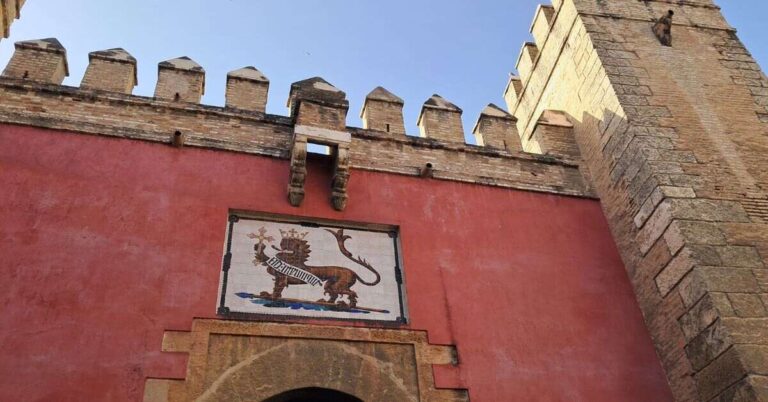
Winter in Seville: 17 Things to Do, Eat and Enjoy
Planning a winter escape and wondering if Seville in winter is really worth it? I live here, and honestly, it’s my favourite time to explore the city.
With mild weather, low crowds, and a surprisingly festive vibe, winter shows Seville at its most authentic. You can stroll through an almost-empty Plaza de España, warm up in a steamy Arab bath, catch a fiery flamenco show, or eat your way through cosy tapas bars — all without the summer heat or tourist buzz.
In December, the city glows with Christmas markets and traditional Belén displays. In January, locals celebrate the Three Kings Parade, and by February, the streets smell of citrus as Seville’s iconic orange trees bloom.
This guide covers the best things to do in Seville in winter, plus what to eat, wear, and pack — so you can plan your perfect off-season trip with confidence.

Some of the links on The Seville Guide are affiliate links. If you click through and make a purchase, we may earn a small commission. This allows us to create more helpful and honest guides that you can use for free. You can read our Disclosure Policy here. We appreciate your support, thank you.
Seville Winter Weather: What You Really Need to Know
If you’re imagining warm Andalusian sunshine all year round — you’re not entirely wrong. But winters in Seville has its own rhythm. It’s far milder than most of Europe, but you’ll still want to come prepared.
Here’s what to expect between November and February:
- 🌤️ Daytime highs range from 15–20°C (59–68°F) — ideal for sightseeing without breaking a sweat.
- 🌙 Evenings get chilly, with temperatures dropping to 6–10°C (43–50°F).
- ☔ Rain is most common in December and January, though it’s usually brief.
What surprises many visitors is the lack of central heating in older buildings. It can feel colder indoors than outside, especially in traditional apartments or boutique hotels.
👉 Local tip: Skip the generic apps. I always check AEMET, Spain’s national weather service — it’s far more accurate for local forecasts.
Is It Worth Visiting Seville in Winter?
Absolutely — and I say that as someone who lives here. Seville in winter doesn’t shut down; it just slows down in the best possible way. The city feels more local, more liveable, and a lot less hectic.
- 🧳 Fewer tourists mean you can enjoy sights like the Alcázar and Cathedral without queues.
- ☀️ The cooler weather is ideal for sightseeing — no sweating through palaces or plazas.
- 🍽️ It’s also perfect for food — hot caldo, garlicky espinacas con garbanzos, and slow lunches in cosy bars.
- 💸 Flights and hotels are cheaper (except Christmas week), and boutique stays often run off-season deals.
- 🎄 From Christmas markets to the Three Kings Parade, winter is full of charm — just without the chaos.
- 🌞 And let’s be honest: it’s a lot warmer than England.
17 Top Things to Do in Seville in Winter
1. Visit the Royal Alcázar Without the Crowds
One of the best things about Seville in winter is having the Royal Alcázar almost to yourself. Without the usual crowds, you can explore the ornate tilework, Moorish arches, and tranquil gardens in peace.
Everything stays open in winter, and the cooler weather makes it far more comfortable to explore. I recommend going either when it opens or mid-afternoon, around 3 pm, when it’s quietest.
If you’re planning to visit the Alcazar during the festive season, and especially around Christmas make sure you book tickets.
The Alcázar does sell out, especially on weekends.
Book your ticket in advance to avoid missing out.
Don’t forget a jacket; those shaded stone corridors can be surprisingly cold.

⭐⭐⭐⭐⭐
Alone in the Alcazar with Walks Tours
- Small Group (Max of 25 guests)
- Exclusive early access
- English Speaking Guide
2. Browse the Christmas Markets
One of my favourite things about Seville at Christmas is how the city leans into tradition rather than spectacle. From late November, the Christmas market in Plaza Nueva fills with locals shopping for handmade gifts, ceramics, wooden toys, and festive treats.
Some stalls have been in the same families for decades. It’s not flashy, but that’s what makes it feel so authentic.
I recommend visiting Seville’s Christmas markets just after sunset, when the lights are glowing and the smell of roasted chestnuts drifts through the square. It’s a low-key but magical way to ease into the season — especially with a warm turrón in hand.
3. Explore the Seville Cathedral & Climb La Giralda
If you’re visiting Seville in January, the Cathedral and La Giralda are a must. With fewer tourists and clear skies, it’s a great time to climb the 34 ramps for panoramic views — the winter light is ideal for photos.
Inside, the cathedral feels quieter and more atmospheric, and the Orangery (Patio de los Naranjos) is especially fragrant as the citrus trees begin to ripen.
Although you can explore by yourself, I always suggest using the official audio guide — it’s well-paced and easy to follow. January means smaller queues, but it’s still smart to book ahead, especially on weekends or near public holidays.

4. See a Firey Flamenco Show
One of the best ways to spend a chilly evening during a Seville winter break is tucked inside a small flamenco venue. Without the big tour groups, winter shows feel more intimate — the emotion hits harder when you’re just a few feet from the stage.
For the most authentic flamenco show, I always recommend the Museo del Baile Flamenco. It’s more than just a museum — they host intimate live performances in a small theatre, surrounded by arches and intimate lighting.
It’s a great intro if you’re new to flamenco, and the exhibits help explain what you’re seeing on stage. Book early — it fills up fast.

5. Warm Up in a Hammam: Aire Ancient Baths
This is one of my favourite winter treats.
Set in a restored Mudejar palace, this candlelit hammam is pure calm — and the perfect escape on a chilly or rainy day. You can float between thermal pools, soak in the rooftop jacuzzi, or treat yourself to a massage.
Aire Baths are especially cosy in the colder months and feel like a world away from the busy city streets. Just be sure to book ahead — it fills up fast.
6. Wander Around the Plaza de España and María Luisa Park
Winter is the perfect time to enjoy Seville’s grandest public space without the heat or crowds.
The Plaza de España is stunning in the late afternoon — the golden-hour light reflects off the tiles and makes for amazing photos, especially if you’re rocking a layered winter outfit.
Just behind it, María Luisa Park is peaceful and full of colour, even in the cooler months.
If you’re visiting Seville in February, you might catch the first hint of citrus blossoms near the fountains. It’s a slow, scenic way to enjoy a different side of the city.

7. Discover Hidden Corners of Barrio Santa Cruz
The old Jewish quarter of Barrio Santa Cruz is packed with winding alleys, leafy courtyards, and hidden plazas that are quiet enough that you can actually hear your footsteps echo.
Without the usual tourist buzz, it’s easier to take in the details — tiled fountains, crumbling balconies, and the scent of orange peel in the air.
It’s also home to some of the cosiest tapas bars in the city. Tuck into a warm bowl of espinacas con garbanzos or sip a glass of red in a candlelit corner you might miss in busier months.
8. Browse the Belén Displays (Nativity Scenes)
If you want a peek into true local culture, don’t miss Seville’s Belén tradition. These detailed nativity scenes are a big part of Christmas here, and families take them seriously. You’ll find the most elaborate ones outside the Ayuntamiento (City Hall) and along Avenida de la Constitución.
I always suggest stopping by El Corte Inglés too — their display is surprisingly beautiful for a department store. Some shops even dedicate whole windows to handcrafted scenes with tiny figures, animals, and miniature landscapes.
It’s a slow, simple tradition — but one of my favourite parts of the festive season in Seville.

9. Visit a Museum (or Two)
Whether it’s a rainy day in Seville or you just want a slower day, museums are a great winter option. The Museum of Fine Arts is my top pick — quiet, warm, and full of Spanish Baroque art in a stunning old convent.
For something more vibrant, the Flamenco Museum combines interactive exhibits with the option to stay for a live show. And if you’re into modern art, head across the river to the CAAC — Seville’s contemporary art centre, housed in a former monastery. It’s peaceful, a bit quirky, and the grounds are worth a wander even in winter.
Most of Seville’s museums stay open year-round, and ticket prices are budget-friendly. Bonus: many are free if you have an EU ID.
10. Eat Your Way Through Cosy Tapas Bars
Although you can eat tapas all year round, Seville in November is when tapas season really kicks in for me.
The city’s cooler weather calls for slower meals and warming plates, and many locals retreat into dimly lit bars that feel like winter hideaways. I always go for espinacas con garbanzos (spinach with chickpeas) and a glass of red or sherry.
Places like Bodega Santa Cruz or El Rinconcillo are great any time of year, but they hit differently when it’s chilly outside. It’s also the perfect time to try local sweets like pestiños or seasonal citrus marmalade for dessert.

11. Snap Photos at the Metropol Parasol
Las Setas — officially the Metropol Parasol — is one of my favourite viewpoints in Seville in the winter. The light is softer, the crowds are thinner, and the views from the top stretch right across the rooftops to the Giralda.
I always recommend to people to go just before sunset — it’s the best time for photos, especially with the warm winter glow.
The structure itself is huge, modern, and a bit surreal against the historic backdrop. There’s a market underneath, and a rooftop walkway above. It’s open year-round, and winter evenings are often clear enough for a great view.
12. Celebrate New Year’s with the Twelve Grapes Tradition
If you’re wondering what to do in Seville in January? Celebrating New Year’s Eve like a local is a great start. The tradition? Eat twelve grapes, one with each chime of the clock at midnight — it’s said to bring good luck for the year ahead.
For most Sevillanos, New Year’s Eve starts their evening with family, then head to Plaza Nueva just before midnight to join the countdown. It’s festive but laid-back, and you’ll see plenty of people laughing through mouthfuls of grapes.
Bring your own (supermarkets sell special packs) and don’t expect a big fireworks show — this is more about good company and a fun local ritual.
13. Cross the River to Triana
If you’re after less touristy things to do in Seville in the winter, then wander over to Triana. The crowds are lighter, but the vibe is still alive — flamenco echoes from open doors – locals fill the cafés, and the river walks are quiet and peaceful.
I usually cross via Puente de Triana, stop at the Triana Market for a bite, and then explore the side streets full of ceramic shops and tapas bars.
It’s a bit rougher around the edges than the centre, but that’s part of its charm. If the sun’s out, grab a seat along the river and enjoy a drink with a view.
14. Don’t Miss the Three Kings Parade
If you’re in Seville in January, the Cabalgata de Reyes (Three Kings Parade) on the evening of January 5th is a must-see. It’s more beloved than Christmas for many locals — especially kids.
The parade winds through the city for hours, with floats, music, and the Three Kings themselves tossing thousands of sweets into the crowd. I recommend finding a spot early near La Campana or Avenida de la Constitución — it gets packed!
Bring a bag for the sweets (yes, seriously) and prepare to duck. It’s joyful, chaotic, and a real glimpse into how Sevillanos celebrate the season.

15. Smell the Orange Blossoms in February
One of my highlights of Seville in February is when the orange blossoms start to bloom. You’ll first notice it in the early mornings — a soft, sweet fragrance drifting through the streets.
The city has over 30,000 orange trees, and by mid-February, the scent is everywhere: in Barrio Santa Cruz, along Avenida de la Constitución, even outside the cathedral.
It’s subtle, not overwhelming, and completely unforgettable. This is one of Seville’s top free experiences.
16. Eat Your Way Through a Market — or Join a Food Tour
One of the best things to do in Seville in December – or any chilly winter day is just to wander through the food markets. The produce is fresh, the seafood stalls are buzzing, and the cured meats hanging from the ceilings feel extra festive.
If you’re not sure where to start, joining a food tour is a great way to get your bearings. A good guide will introduce you to local dishes like pringá, salmorejo, and seasonal sweets like pestiños.
Triana Market and Mercado de Feria are both excellent — and even better with a local to lead the way (and help you skip the tourist traps).

An Evening Out in Seville: Triana Neighborhood Tapas Tour
- Small Group (Max of 12 People)
- 3 Hours
- Evening Tour
- English Speaking Guide
- 8+ Different Tapas 4 Drinks
17. Take a Winter Day Trip from Seville
If you have time on your Seville winter break, then it’s worth squeezing in a day trip — no heat, no crowds, just easy exploring.
If you’re short on time, head to Itálica, the ancient Roman city just 30 minutes away. It’s peaceful in winter, and the amphitheatre is impressive (Game of Thrones fans might recognise it). For something bigger, take the train to Córdoba — only 45 minutes by AVE. The Mezquita is magical in winter light, and the streets are quieter than in spring.
Both are easy DIY trips from Seville, though there are great small-group tours if you’d prefer someone else to handle the details.

Seville’s Winter Events & Festive Season
Winter in Seville isn’t just quieter — it’s packed with seasonal charm, from mellow November evenings to lively street parades in January.
Here’s what to expect month by month.
November: A Gentle Start
Seville in November is peaceful and local. Belén displays start appearing in shop windows and civic buildings, and the weather is perfect for exploring without breaking a sweat. It’s a great time to ease into winter without the crowds.
December: Lights, Markets & Music
Seville in December glows — literally. Christmas lights drape across Avenida de la Constitución, and festive markets fill Plaza Nueva with handmade gifts and Belén figurines. You’ll also find open-air concerts and plenty of things to do in Seville in December that don’t feel touristy.
New Year’s Eve: 12 Grapes & Fireworks
On New Year’s Eve, locals gather at Plaza Nueva or Alameda to eat 12 grapes at midnight — one for each chime, for luck. Fireworks follow, and bars stay open late.
January: The Parade Everyone Waits For
Seville in January kicks off with the Three Kings Parade on January 5th — a local favourite. Streets fill with music, floats, and flying sweets. It’s more exciting than Christmas Day for many families.
February: Blossoms & Romance
In Seville in February, the orange blossoms begin to bloom, filling the air with their scent. Some years, the city celebrates Carnaval, and Valentine’s Day gives the streets an extra romantic energy — perfect for slow strolls and shared tapas.
What to Eat in Seville in Winter
If you’re wondering what to eat in Seville in winter, the answer is: the good stuff. This is the season for cosy corner bars, hearty stews, and slow, satisfying meals.
The cooler weather means locals linger longer over lunch, and the dishes shift to suit the season — richer, warmer, and perfect with a glass of red.
Here’s what to look for:
- Espinacas con garbanzos – garlicky spinach and chickpeas, a true winter staple
- Caldo de puchero – a rich, warming meat broth, often served with rice or noodles
- Carrillada – melt-in-your-mouth braised pork cheek in a thick wine sauce
- Pringá – slow-cooked meat spread on crusty bread
- Croquetas – creamy, crispy bites filled with jamón, cheese, or spinach
- Patatas bravas – crispy potatoes with spicy tomato sauce and aioli
- Orange wine – made from Seville’s bitter oranges; sweet, strong, and great for sipping
- Vino tinto or manzanilla sherry – ideal for lingering in a cosy bar
- Pestiños – sweet, sticky pastries flavoured with anise and honey
- Café con leche or carajillo – to warm up after a crisp morning walk

What to Pack for Winter in Seville
Packing for Seville in the winter can be a bit tricky — the days are mild and sunny, but mornings and evenings can get surprisingly chilly, especially indoors where heating isn’t always reliable.
Layers are key, and you’ll want to be ready for the occasional rainy day.
Here’s what I always recommend:
- A warm jacket – especially for evenings
- Scarf and light gloves – handy for early mornings and shaded streets
- Comfortable shoes – cobblestones and walking tours don’t mix well with bad footwear
- A compact umbrella or waterproof layer – just in case
- A jumper or fleece – buildings can be colder inside than out
- Sunglasses – the winter sun is still strong, especially at midday
Something festive – if you’re here in December, Seville does seasonal style well - Offline Google Maps or a Spanish SIM – for finding tucked-away tapas bars
Don’t overpack — Seville’s casual, and laundry services are easy to find.
Best Day Trips from Seville in Winter
If you’re looking to extend your stay, some of the best things to do in Seville in winter involve getting out of the city for a day.
The cooler weather makes travel more comfortable, and you’ll find fewer crowds in the region’s top spots.
Córdoba
Only 45 minutes by high-speed train, Córdoba is perfect for a winter day trip. The Mezquita is quieter, and the patios are still beautiful. Expect crisp mornings and sunny afternoons — ideal for wandering.
Itálica
These Roman ruins in Santiponce are stunning in winter light, especially the mosaic floors and amphitheatre. It’s just 30 minutes by bus, and rarely crowded this time of year.

Jerez de la Frontera
For wine lovers, Jerez is a dream. Visit a sherry bodega, watch the horses at the Royal Andalusian School, or just enjoy the town’s relaxed winter pace.
Aracena
Need some nature? Head to the Aracena caves (Gruta de las Maravillas). The town itself is charming, and it’s also home to some of Andalusia’s best ham.
Where to Stay in Seville in Winter
Accommodation in Seville in winter is all about staying warm and walking everywhere.
Many older buildings don’t have central heating — or only use wall-mounted units — so I always recommend checking reviews for warmth in winter. Trust me, you don’t want to spend the evening wrapped in a scarf inside your hotel room.
Choose a spot in the historic centre — Santa Cruz, Arenal, or Alfalfa — where you can walk to major sights and still find good indoor dining just steps away. Morning light is softer in winter, so it’s nice to stay somewhere with sunny windows or a cosy courtyard.
Getting to Seville, Spain
Getting to Seville in winter is straightforward, and with fewer crowds, the journey’s usually smoother too.
By Air
Seville Airport (SVQ) has direct flights from many major European cities, especially in winter when prices can drop outside of the Christmas peak. It’s just 20–25 minutes from the city centre by taxi or bus (EA line).
By Train
The AVE high-speed train makes Seville well-connected to cities like Madrid (2.5 hours) and Córdoba (45 minutes). Winter trains are rarely full — though I recommend booking ahead for New Year and holiday weekends.
By Bus or Car
Long-distance buses are reliable and budget-friendly. Driving in winter is easy, with quiet roads and scenic countryside — just check parking options if staying in the historic centre.
👉 Tip: Trains and flights are often cheapest in November and mid-January, after the holiday rush.
Have a Question?
Ask in The Seville Guide Community!
Connect with fellow travellers and locals, share tips, and get the latest insights on what’s happening in Seville.
Ready to Plan Your Winter Trip to Seville?
Whether you’re coming for the festive lights, the peaceful pace, or just to escape the cold elsewhere, Seville in winter offers something special — and now’s the perfect time to start planning.
From the best cosy tapas bars to local winter traditions you won’t find in guidebooks, there’s more to explore. I’ve got you covered with practical tips, insider recommendations, and seasonal guides to help you make the most of your trip.
👉 Keep exploring:
- Where to Stay in Seville
- Discover Tapas in Triana Neighbourhood
- Best Flamenco Shows in Seville
- A Local’s Guide to Seville’s Food Markets
Let Seville surprise you — winter might just be the best time to see it for what it really is.
Have a question? then don’t forget to join our free Facebook Group: Seville Things To Do and ask the community.
Want to discover more about Seville? then check out these other great articles to find out more.
Done-For-You Itineraries
- One Day in Seville Itinerary
- Two Days in Seville Itinerary
- Three Days in Seville Itinerary
- Five Days in Seville Itinerary
Things To See & Do In Seville
- Best Places to Watch Flamenco in Seville
- 21 Great Things to Do in Seville
- 18 Must-See Galleries and Museums in Seville
- Best Time to Visit Alcazar of Seville
- Things to Do in Seville for Free
- Best Artisan and Flea Markets in Seville
- 23 Best Day Trips From Seville
- Where’s The Nearest Beach to Seville? [Within a 2-Hour Drive]
- 34 Instagram Spots in Seville [+ Photo Location Map]
Food & Drink in Seville
- Eat Your Way Around Seville’s Top Food Markets
- Discover the Best Tapas in Triana Neighbourhood
- The Best Flamenco and Tapas Tour in Seville
- Can You Drink Tap Water in Seville?
- Where to Find the Best Breakfast in Seville
- Where to Find the Best Coffee in Seville
Seville Travel Tips
- How To Survive Seville In Summer
- Things to Do in Seville in the Rain
- What to Wear to Seville Cathedral
- What Is Seville Famous For?
- How Many Days in Seville Do You Really Need?
- How to get from Seville Airport to the City Centre
- Where to Stay in Seville, Spain: Best Neighbourhoods
- Why Visit Seville? 15 Reasons to Visit Seville